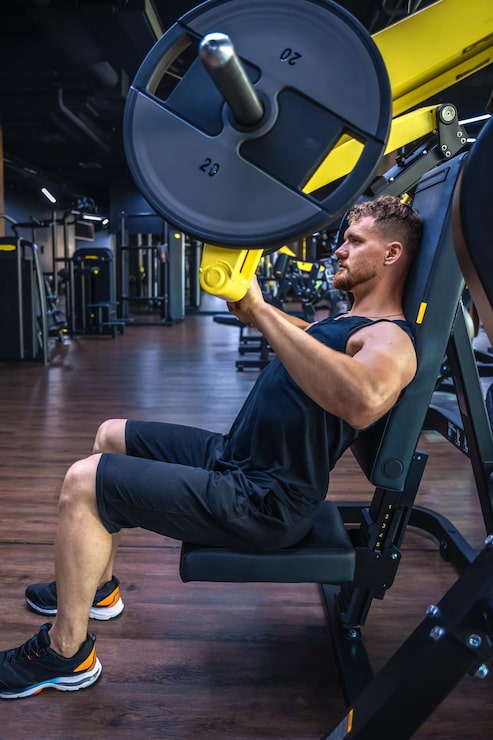
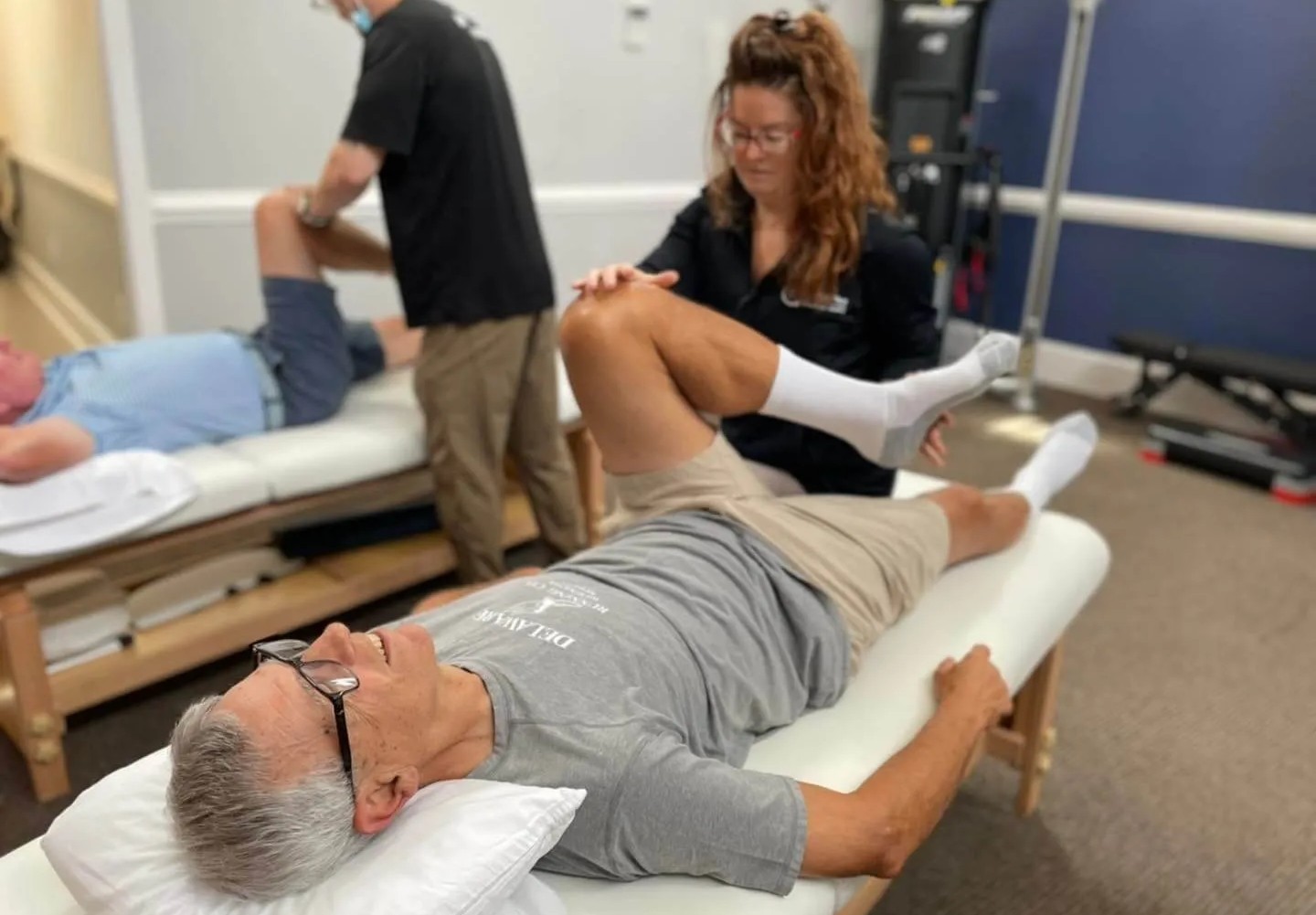
Plenty of people reach their 60s or 70s and assume the gym is no longer for them. It still is. Strength, balance, and stamina can all be worked on at any age, as long as the plan starts where you are today.
That’s the thinking behind personal training for seniors. Instead of a generic routine, you get a program built around your body, your history, and the things you want to keep doing, whether that’s gardening, travel, or keeping up with the grandkids.
What Personal Fitness Means as You Get Older
Personal fitness isn’t about chasing the workout you did at 30. It’s about staying capable. Carrying groceries, getting up off the floor, climbing stairs without a pause at the landing.
Muscle mass tends to decrease with age, and regular strength training can help slow that. It’s rarely too late to begin.
What Personal Training for Seniors Can Include
A solid program usually covers a few things, and none of them require fancy equipment.
Strength. Muscle supports your joints and makes daily tasks easier. Think chair stands, band rows, and light carries.
Balance. Single-leg stands and controlled weight shifts can help you feel steadier on your feet.
Mobility. Joints that move well make everything else easier, so a good plan often includes gentle range-of-motion work.
Stamina. Building up gradually, so a long walk or a day out doesn’t wipe you out.
Your trainer adjusts all of it as you go. If a knee is cranky one week, the exercise changes. That’s normal, and it’s part of the point.
What Happens in Your First Session
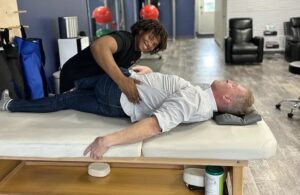
We start with a full-body movement and mobility evaluation. Then we talk through your goals, your challenges, and any past injuries. After that comes a short, guided workout built for you and a plan for what happens next.
You don’t need to know the exercises or arrive in shape. Feeling a little nervous beforehand is fine.
Your first session is $19 (normally $69) and includes the evaluation and a customized workout.
Why One-on-One Coaching Matters
A group class moves at the pace of the group. One-on-one training moves at yours. Your trainer can watch your form, change a movement when something doesn’t feel right, and nudge you up a level when you’re ready.
We also work alongside licensed physical therapists, which can be especially helpful if you’re coming back from an injury or surgery. If stiffness is part of the picture, assisted stretching can sit alongside your training.
How Often Should You Train?
There’s no single answer. Some people train once a week, others twice, and the right rhythm depends on your goals, your schedule, and how your body recovers. Consistency matters more than intensity, so a plan you can actually keep beats an ambitious one you drop after three weeks.
Progress looks different for everyone. Pay attention to the small wins: an easier climb up the stairs, a steadier step on uneven ground, or a bit more energy by the afternoon.
Talk to Your Doctor First
If you have a heart condition, a recent injury or surgery, dizziness, or pain that gets worse with movement, check with your doctor before starting a new program. A trainer can work within your care team’s guidance, but training doesn’t replace medical advice.
Start Where You Are
Personal fitness doesn’t have to be complicated. It needs to be safe, consistent, and built around you. Learn more about our personal training at StretchPlex, with studios in Wilmington, Greenville, and Hockessin, and book your first session when you’re ready. No pressure. Just a good first step.