
Strength training sounds intimidating until you actually try it. Then it clicks. You pick up a weight, move with control and feel stronger within weeks. The real challenge isn’t effort, it’s knowing where to begin. This guide gives you a simple, safe way to start and keep improving.
Age doesn’t change the basic idea either. Even personal training for seniors is built on the same principles, just adjusted for comfort and recovery. So whether you’re 25 or 65, you can use these steps to build muscle, protect your joints and feel more capable in daily life.
Why Does Strength Training Matter for Everyone?
What Do the Health Guidelines Say?
The CDC says adults need at least 2 days a week of muscle strengthening activity, along with 150 minutes of moderate intensity aerobic activity. Adults 65 and older get the same muscle strengthening target. In fact, that two day baseline is more manageable than most people expect. Two short sessions can fit almost any week.
How Does Lifting Change Everyday Life?
Stronger muscles make stairs, groceries and playing with kids feel easier. Picture carrying every grocery bag in one trip without stopping to rest. Lifting also supports your bones and joints, and it gives your workouts a purpose beyond burning calories. Honestly, that confidence boost is what keeps most people coming back.
How Do You Start Strength Training as a Beginner?
What Equipment Do You Really Need?
Very little. A pair of dumbbells, a resistance band and a sturdy bench or chair cover most beginner needs. Bodyweight moves like squats, push ups and planks work too. Your first month is about learning movement patterns, not buying equipment. Add gear only when you truly need it.
Which Exercises Should Beginners Learn First?
Focus on movements that train many muscles at once: squats, hip hinges like light deadlifts, presses, rows and carries. This resistance training approach saves time and builds balanced strength. Choose five or six moves, practice good form and keep the weights light until each movement feels smooth.
How Often Should You Train?
Two or three full body sessions a week works well. Leave a rest day between them so your muscles can recover and grow. Sessions of 30 to 45 minutes are plenty. Consistency matters far more than marathon workouts, so choose a schedule you can actually repeat.
How Should You Warm Up and Cool Down?
Spend five to eight minutes on easy movement before lifting. Try marching in place, arm circles and a few bodyweight squats. Afterward, stretch lightly and breathe slowly. Warming up raises your body temperature and prepares your joints, which makes the first heavy set feel safer and smoother.
How Do You Keep Making Progress?
How Do You Keep Challenging Your Muscles?
Muscles grow when you challenge them a little more over time. That idea is called progressive overload, and it’s the engine behind almost every successful plan. You can add weight, reps or sets, or slow down your tempo. Small increases work best. Aim to beat last week by a little, not a lot.
How Do You Track Your Workout Routine?
Write it down. A simple notebook or phone note with exercises, weights and reps shows progress when the mirror doesn’t. If a set feels easy for two sessions in a row, increase the load slightly. If your form breaks down, drop back and rebuild.
Why Do Rest and Nutrition Matter for Muscle Building?
Muscle grows during recovery, not during the set. Sleep well, eat enough protein across the day and stay hydrated. You don’t need exotic supplements. A balanced plate with eggs, fish, beans, yogurt or lean meat does the heavy lifting for most people.
What Common Mistakes Should You Avoid?
Why Does Ego Lifting Backfire?
Lifting too heavy too soon is the fastest route to a tweaked back or shoulder. Form comes first. If you can’t control the weight on the way down, it’s too heavy. Honestly, nobody remembers how much you lifted in week one, but an injury can derail months of progress.
Is Skipping Legs or Back a Problem?
It is. Many beginners chase arms and chest because they show in the mirror. Yet strong legs, glutes and back muscles support posture and balance. Aim to train both the front and back of your body each week, and you’ll lower the chance of nagging aches.
Can Older Adults Start Strength Training Safely?
What Should You Adjust With Age?
Absolutely, with a few tweaks. Choose slower tempos, longer warm ups and exercises that feel stable, like seated presses or supported squats. Check with your doctor first if you have joint pain, heart concerns or other health conditions. Then build up gradually, because steady effort beats intensity.
Is a Personal Trainer Worth It?
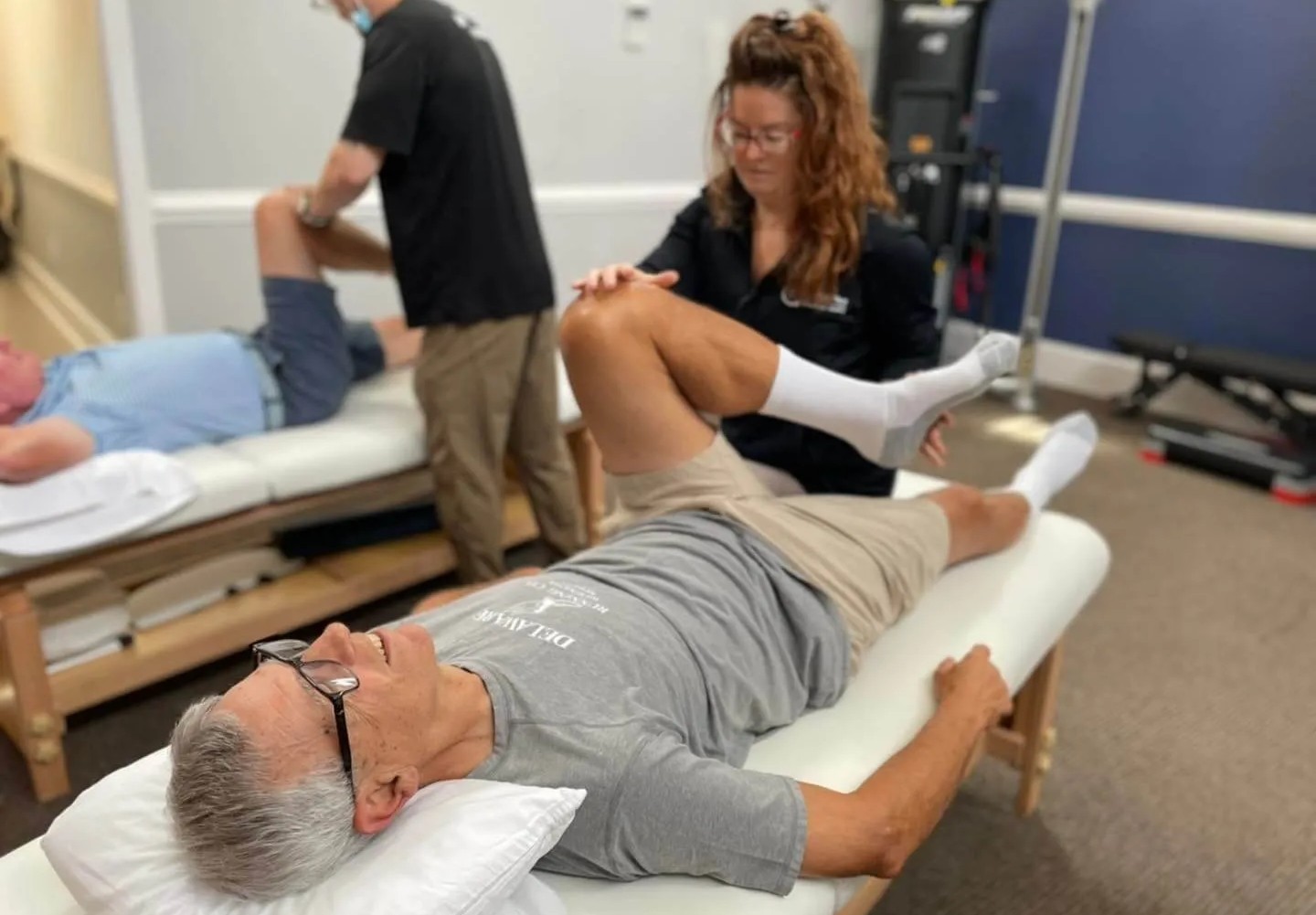
A personal trainer can teach safe form, build a plan around your limits and keep you accountable. If your budget is tight, book a few sessions at the start, then train solo. Many people find that early guidance prevents the common mistakes that stall progress.
How Do You Choose the Right Place to Train?

Should You Train at Home or in a Gym?
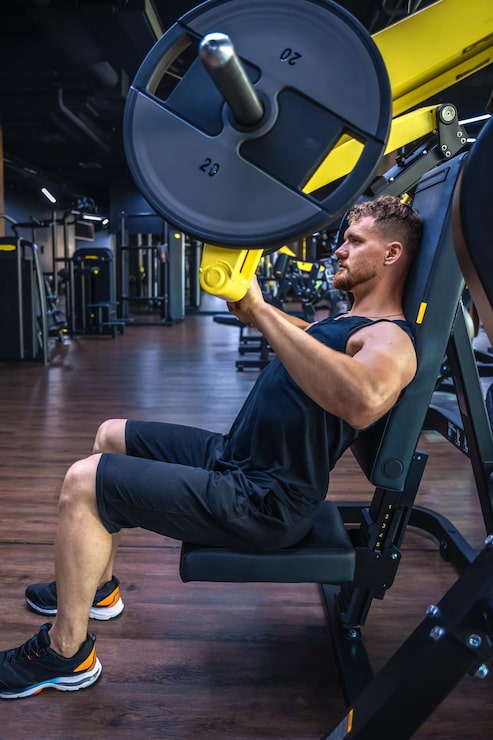
Both can work. Home training saves time and money, while a gym offers machines, free weights and a more focused atmosphere. Think about your schedule, budget and personality. If you’ll skip workouts because the commute is annoying, a simple home setup might be the better choice for you.
Does the Layout of a Gym Matter?
If you join a gym, look beyond price. Smart gym design means clear walkways, enough racks, good lighting and space to move freely. A well planned layout makes workouts smoother and safer, especially when you’re new and still learning where everything goes. That alone can make you want to return.
Final Thoughts
Starting strength training doesn’t require a perfect plan or a fancy gym. It requires two sessions a week, light weights, good form and patience. Add a little challenge over time, rest well and keep showing up. Within a few weeks you’ll notice the difference, and within a few months you’ll wonder why you waited.
FAQs
How many days a week should a beginner do strength training?
Two or three days a week is a solid starting point. The CDC recommends at least two days of muscle strengthening for adults. Leave a rest day between sessions so your body can recover.
Can strength training help with weight loss?
It can support it. Lifting helps you keep muscle and stay active, while most weight loss still comes from eating a little less, according to the CDC. Combine both for steadier, healthier results.
Is strength training safe for people over 65?
For most people, yes, and the CDC recommends it for older adults too. Start light, focus on form and talk to your doctor first if you have health concerns or take regular medication.
How long does it take to see results from lifting?
Most beginners feel stronger within a few weeks because their nervous system learns the movements. Visible muscle changes usually take longer, so track your lifts and energy, not just the mirror.
Do I need supplements to build muscle?
No. Regular training, enough sleep and a balanced diet with good protein sources matter far more. Supplements are optional extras, and they can’t replace the basics.